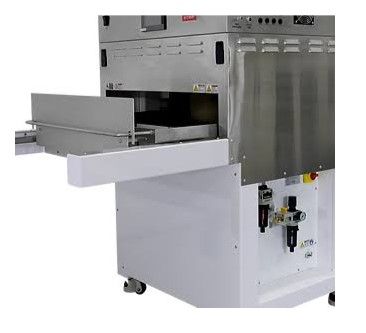
Heat-sealing and shrink-packaging machines rely on small, precisely fitted components that wear over time. When a seal turns weak or uneven, the cause is often a worn part rather than a failing machine. Sealing components such as Teflon-coated tapes, silicone pads, and heating elements gradually lose their surface integrity under repeated heat cycles, which is why even minor wear can reduce seal strength and consistency. Operators searching for Belco: B-2748 are typically looking for a precision-fit sealing component. Knowing how sealing parts work, how to confirm compatibility, and how to schedule upkeep helps teams avoid unplanned downtime.
How Sealing Components Control Seal Quality
A good seal depends on three variables: heat, time, and pressure. Sealing arms apply pressure, nichrome wires or heating elements supply heat, and silicone or PTFE sealing pads give the film a consistent surface to seal against. Precision-fit parts, including Belco: B-2748, support repeatable seals by helping control those variables. When any piece wears, the result can be a seal that peels, burns, or leaves gaps.
Heat, Airflow, and Tunnel Components
Heating components such as high-wattage heater elements and aluminum heat plates deliver fast heat-up and even temperature across the seal area. Even heat prevents cold spots, film burn, and inconsistent shrinking. This consistency matters most in medical and clean-room packaging. In shrink tunnels, recirculating airflow spreads heat evenly at lower operating temperatures, which protects heat-sensitive products. Heat-resistant belts and mesh conveyor belts then carry products through the heat chamber at an adjustable speed, which controls dwell time and supports smooth, wrinkle-free shrinking.
Motion, Control, and Structural Parts
Sealing machines also depend on parts that manage movement and stability. Hydraulic cushions, arm dampers, and shock-reducing elements limit vibration and stress on sealing arms, shuttle drawers, and conveyors, which extends component life and keeps alignment steady. Sensors, control boards, and magnetic hold-downs help maintain stable sealing conditions, while deviation alarms flag problems with temperature, pressure, or timing. Underneath it all, welded steel frames, stainless steel seal chambers, and machined aluminum platens keep the sealing geometry accurate during long production cycles.
Signs a Sealing Part Needs Attention
Several symptoms point to a worn component. Seals that peel apart, show weak spots, or vary from one package to the next suggest a problem with heat, pressure, or the sealing surface. Film that burns or sticks can indicate uneven heating. Longer heat-up times, unusual noise, or visible vibration in moving arms may signal worn dampers or misalignment. Catching these signs early makes repairs simpler and protects the finished product.
Choosing the Right Replacement Part
Correct identification saves time and money. Start with the machine model and any part number marked on the worn component, since small differences in dimensions can prevent a part from fitting. If you are tracking down Belco: B-2748, compare it against the equipment manual or an existing part before ordering. Confirming compatibility with the machine type, whether an L-sealer, side sealer, wrapper, or shrink tunnel, reduces returns and delays. When the number is unclear, a technical parts specialist can help verify details through troubleshooting or a live support session.
Maintenance Habits That Extend Part Life
Replacing parts before they fail keeps a line from stalling unexpectedly. Inspect sealing pads, wires, and belts at regular intervals, and replace anything that shows cracking, burning, or glazing. Keep seal surfaces clean, since residue can interfere with consistent heat transfer. Many teams set monthly, quarterly, or bi-annual service reminders, and keep a short list of critical wear components on the shelf so a worn part never halts production. Rebuilds and retrofits of older sealing assemblies can also extend equipment life when a full replacement is not practical.
Conclusion
Reliable sealing comes from many small parts working together, from heating elements and sealing pads to dampers, sensors, and conveyor belts. Matching each replacement to the right machine and checking part numbers carefully keeps seals consistent and downtime low. For buyers who need support identifying components, specialists at Machine Parts Toolbox can assist with compatibility checks, spare parts lists, and technical guidance. With accurate identification and regular upkeep, packaging teams can keep production steady and protect product quality.