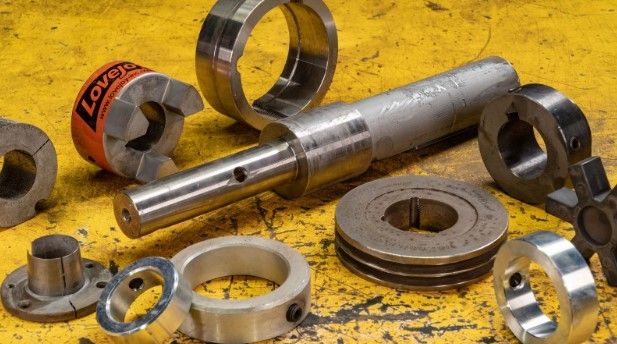
Ensuring the reliability and efficiency of industrial equipment starts with the careful selection of parts for machines. The performance, safety, and longevity of your machinery depend heavily on the quality of the components you install. Purchasing substandard or incompatible parts can lead to breakdowns, costly repairs, and operational downtime. Therefore, understanding how to evaluate these parts before purchase is essential for any facility manager, maintenance technician, or production supervisor.
Assessing Manufacturer Reputation
Researching the Brand
A key factor in evaluating parts quality is the manufacturer’s reputation. Established brands have a track record of producing reliable and durable components. They invest in research, maintain quality control standards, and often offer warranties. Checking customer reviews, industry certifications, and years of operation can provide valuable insight into a manufacturer’s credibility.
After-Sales Support
Reputable manufacturers provide robust after-sales support, including technical assistance, installation guidance, and replacement options. This level of support is crucial when integrating parts into complex machinery, ensuring that any issues are resolved quickly and efficiently.
Material Quality and Durability
Inspecting Materials
The materials used in machine parts directly impact their durability and performance. Components made from high-grade metals, reinforced polymers, or specialised alloys are designed to withstand stress, friction, and environmental factors. Examining product specifications for material composition and resistance to wear and tear is an essential step in evaluation.
Longevity Testing
Quality parts undergo rigorous testing to simulate real-world operating conditions. Look for parts that have been tested for temperature tolerance, corrosion resistance, and mechanical strength. These tests ensure that the component can sustain long-term use without failure.
Compatibility and Precision
Ensuring Proper Fit
Compatibility with existing machinery is crucial. Parts that do not align with the original specifications can cause misalignment, vibrations, or mechanical stress, reducing efficiency and potentially damaging the machine. Verify dimensions, tolerances, and model compatibility before purchase.
Precision Manufacturing
High-quality parts are manufactured with precision, ensuring consistency across components. Look for certifications such as ISO standards, which indicate adherence to stringent quality and dimensional standards.
Cost versus Value
Avoiding Cheap Alternatives
While cost is a factor, selecting parts solely based on price can be risky. Low-cost alternatives may compromise performance and lead to frequent replacements, which increase long-term operational costs. Investing in high-quality parts ensures better reliability and fewer interruptions.
Evaluating Return on Investment
Consider the potential savings in maintenance and downtime that high-quality parts offer. Even if the upfront cost is higher, superior components often provide a better return on investment by extending the lifespan of your machinery and preventing unexpected failures.
Supplier Reliability
Choosing Trusted Suppliers
Selecting a reliable supplier ensures access to authentic, high-quality parts. Trusted suppliers maintain inventory, provide accurate specifications, and guarantee timely delivery. Their expertise can also guide you in selecting the right component for your machinery.
Availability of Technical Data
Suppliers who provide detailed technical data, installation guides, and maintenance instructions help ensure proper use and integration. Access to manuals and diagrams can prevent mistakes during installation and prolong the life of the parts.
Testing and Certification
Industry Standards
Verify that the parts comply with relevant industry standards and certifications. Certifications confirm that the component meets safety, performance, and environmental requirements. This compliance is especially critical for parts used in high-risk or heavily regulated industries.
Trial and Inspection
If possible, inspect a sample of the parts before full-scale purchase. Checking the finish, weight, and construction quality firsthand provides confidence in the purchase decision.
Conclusion
Evaluating parts for machines before purchase requires a systematic approach that considers manufacturer reputation, material quality, compatibility, and supplier reliability. By prioritizing these factors, businesses can ensure operational efficiency, reduce downtime, and extend the life of their equipment. For specialised packaging machinery and reliable components, exploring trusted brands such as Texwrap offers access to high-quality parts and expert support, making the selection process easier and more effective.