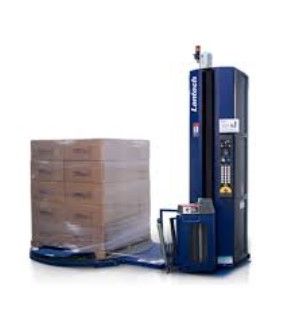
Industrial stretch wrapping systems demand accuracy, consistency, and disciplined maintenance to operate at peak efficiency. Operators and maintenance teams rely on clear documentation to avoid downtime and extend machine life. Within this context, the Lantech Q300 manual serves as a critical reference for understanding correct installation procedures and preventive care requirements. It provides structured guidance that supports safe operation, reliable output, and component longevity. For facilities using Q300 models, following documented standards ensures machines perform as designed. A well-used manual helps reduce errors, improve troubleshooting accuracy, and support smoother production across demanding packaging environments.
Understanding the Purpose of the Machine Manual
The machine manual is more than a reference document; it is an operational roadmap. It explains system architecture, component functions, and safety protocols in detail. When teams consult the Lantech Q300 manual, they gain clarity on how mechanical, electrical, and control systems work together. This understanding reduces guesswork during maintenance and prevents improper handling of sensitive components. Manuals also support compliance with manufacturer recommendations, which is essential for preserving warranties and ensuring consistent machine performance in high-volume environments.
Parts Identification and Installation Guidelines
Correct parts installation is essential to avoid premature wear or operational failure. The manual provides exploded diagrams, part numbers, and step-by-step instructions to ensure accuracy during replacements. By referencing the Lantech Q300 manual, technicians can verify alignment, torque specifications, and connection points before restarting the machine. This structured approach minimizes installation errors that could otherwise lead to misfeeds, uneven wrapping, or unexpected stoppages. Proper documentation also streamlines communication between operators and maintenance staff, reducing downtime during repairs.
Preventive Maintenance Procedures
Routine maintenance is the foundation of long-term machine reliability. The manual outlines inspection schedules, lubrication points, and component checks that help detect issues early. Facilities that consistently follow guidance from the Lantech Q300 manual experience fewer breakdowns and more predictable performance. Preventive tasks such as belt inspections, sensor cleaning, and roller alignment ensure smooth operation and protect core systems. Over time, disciplined maintenance reduces repair costs and supports stable production output.
Troubleshooting and Diagnostics Support
Even well-maintained machines may encounter occasional issues. The troubleshooting section of the manual provides fault codes, symptom descriptions, and corrective actions. Using the Lantech Q300 manual during diagnostics allows technicians to identify root causes quickly rather than relying on trial and error. This methodical approach reduces unnecessary part replacements and helps restore normal operation faster. Clear troubleshooting workflows also empower in-house teams to resolve common issues without external service delays.
Safety Standards and Operational Best Practices
Safety is a central focus of any industrial equipment manual. Clear warnings, lockout procedures, and operational limits protect both personnel and machinery. The manual emphasizes safe handling of moving parts and electrical components to prevent accidents. By following recommendations outlined in the Lantech Q300 manual, organizations reinforce a culture of safety while maintaining compliance with industry regulations. Proper training supported by documented standards reduces risk and builds operator confidence.
Importance of Using Authorized Replacement Parts
Using correct replacement components is vital for machine integrity. The manual specifies approved parts and compatibility requirements to maintain system balance. When teams rely on documented guidance, machines operate as intended without added stress on motors or controls. Accurate parts selection also ensures long-term reliability and consistent wrapping quality across production shifts.
Conclusion
A detailed machine manual is an essential tool for achieving reliable performance and extended service life. By following structured installation, maintenance, and troubleshooting guidelines, facilities can reduce downtime and improve operational efficiency. Proper documentation supports informed decision-making and protects system integrity over time. When managed correctly, packaging equipment and parts function cohesively, ensuring stretch wrapping systems deliver consistent results while supporting productivity and maintenance confidence.