
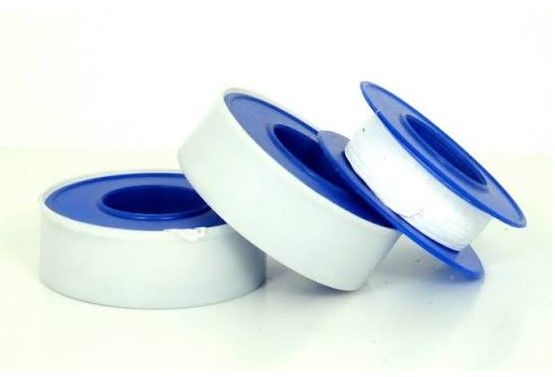
Industrial equipment often depends on small components that perform highly specific jobs. One example is pressure-sensitive PTFE-coated tape, which is commonly used where low friction, heat resistance, chemical resistance, and a non-stick surface are important. Although it may look similar to ordinary adhesive tape, its performance characteristics are very different.
PTFE sticky tape is typically made from a PTFE-coated backing combined with a pressure-sensitive adhesive. This construction allows the tape to be applied directly to machine surfaces while providing a smooth, low-friction barrier. It is commonly used in packaging, sealing, heat-processing, and manufacturing environments where ordinary tapes may wear quickly, stick to products, or fail under elevated temperatures.
What Is PTFE Sticky Tape?
PTFE sticky tape is an adhesive-backed tape that uses polytetrafluoroethylene, commonly known as PTFE, as part of its working surface.
PTFE is known for its very low coefficient of friction and strong resistance to many chemicals. It also has useful thermal properties, making it suitable for applications where heat and repeated surface contact are involved.
The adhesive layer allows the tape to be attached to rollers, sealing bars, guides, plates, and other equipment surfaces without requiring a separate mechanical fastening system.
Depending on the product, the adhesive may be acrylic- or silicone-based. Each adhesive type can have different temperature and bonding characteristics, so the correct tape should be chosen according to the actual application.
Why Is PTFE Used in Industrial Tape?
PTFE is useful because very few materials readily adhere to its surface.
This non-stick quality helps prevent hot plastics, films, adhesives, and other materials from bonding to machine components. It can also reduce friction when products or packaging materials slide across a surface.
The chemical resistance of PTFE is another benefit. It performs well in environments where exposure to oils, solvents, cleaning agents, or processing chemicals may occur.
These properties make PTFE sticky tape useful in situations where the working surface needs to remain smooth and clean during repeated machine cycles.
Where Is PTFE Sticky Tape Commonly Used?
One of the most common uses is on heat-sealing equipment.
Packaging machines often use heated sealing bars to close plastic film or pouches. Without a protective surface, softened plastic may stick to the hot sealing area. A PTFE-coated tape can provide a release surface that helps the film separate cleanly after the seal is formed.
Other applications may include:
- Impulse sealing machines
- Bag-making equipment
- Shrink packaging systems
- Conveyor systems
- Rollers and guides
- Heat presses
- Laminating equipment
- Food processing machinery
- Printing and textile equipment
The correct application depends on the tape's temperature rating, adhesive type, thickness, and dimensions.
How Does Tape Thickness Affect Performance?
Thickness influences durability, flexibility, and the amount of surface protection the tape provides.
A thinner tape can conform more easily to curved or irregular machine surfaces. It may also transfer heat more efficiently where the tape is used over a sealing element.
Thicker tape can offer greater resistance to wear and abrasion, especially in areas where materials repeatedly slide across the surface.
However, thicker is not automatically better. Excessive thickness on a sealing bar may change heat transfer or pressure distribution.
When selecting PTFE sticky tape, users should match the thickness to both the mechanical demands and the thermal requirements of the equipment.
Why Does Adhesive Type Matter?
The adhesive determines how securely the tape bonds to the equipment surface and how well it tolerates operating conditions.
Acrylic adhesives are often valued for good initial tack, aging resistance, and adhesion to a variety of surfaces. Silicone adhesives may be selected for higher-temperature applications or where additional thermal resistance is needed.
The surface must also be clean before application. Oil, grease, dust, old adhesive residue, and moisture can reduce bond strength.
Applying the tape to a properly prepared surface can help prevent lifting, bubbling, or premature failure.
How Should PTFE Tape Be Applied?
Correct installation improves performance and service life.
The surface should first be cleaned thoroughly and allowed to dry. Any damaged or worn tape should be completely removed before the replacement layer is applied.
The new tape should be positioned smoothly with minimal wrinkles or trapped air.
Uneven installation can create pressure differences during sealing or allow product material to catch on raised edges.
For sealing bars, care should also be taken to align the tape correctly over the working area so heat and pressure remain evenly distributed.
What Causes PTFE Tape to Wear Out?
Even though PTFE has excellent surface properties, adhesive-backed tape is still considered a consumable component in many machines.
Repeated heat cycles can gradually affect both the PTFE surface and the adhesive. Mechanical abrasion from film, cartons, or other materials can also wear through the coating.
Common signs of wear include:
- Cuts or tears
- Darkened or burned areas
- Worn-through sections
- Adhesive lifting
- Wrinkling
- Product sticking
- Uneven sealing
- Reduced surface smoothness
Replacing the tape before severe damage occurs can help protect the underlying machine component.
Can PTFE Tape Improve Sealing Consistency?
In suitable applications, PTFE sticky tape can help maintain a more uniform sealing surface.
A smooth release layer prevents packaging film from sticking to the heated component after each cycle. This can help reduce distorted seals, film buildup, and interruptions caused by cleaning.
However, tape alone cannot correct all sealing problems. Temperature, pressure, dwell time, machine alignment, and film type also affect seal quality.
If sealing problems continue after the tape has been replaced, the equipment should be inspected for other mechanical or electrical causes.
How Do You Choose the Correct Size?
Tape width should match the surface that needs protection.
If the tape is too narrow, portions of the heated or friction surface may remain exposed. If it is excessively wide, edges may interfere with nearby machine components.
Length is mainly a practical consideration based on how frequently the tape is replaced and how many machines require maintenance.
Thickness and adhesive type are more technical choices and should be based on operating temperature, pressure, wear rate, and equipment design.
For maintenance teams, recording the exact tape specification used on each machine can reduce mistakes during future replacement.
Why Preventive Replacement Matters
Waiting until the tape fails completely can lead to additional maintenance problems.
Once the PTFE layer is damaged, packaging film or other materials may begin sticking directly to the machine surface. Adhesive residue, melted plastic, or contamination can then require more extensive cleaning.
In some cases, continued operation with damaged tape can affect sealing quality or damage the underlying heating component.
Regular inspection allows technicians to replace the tape during scheduled downtime instead of responding to an unexpected failure.
Conclusion
PTFE tape is a relatively simple maintenance item, but its low-friction surface, non-stick behavior, heat resistance, and chemical resistance make it valuable in many industrial applications. Proper selection and installation can help protect sealing surfaces, reduce material buildup, and support more consistent equipment operation. When choosing PTFE sticky tape, maintenance teams should consider tape thickness, width, adhesive type, operating temperature, and expected wear. These details become especially important when managing a broader inventory of machine and parts used across packaging, sealing, processing, and manufacturing equipment. Regular inspection and timely replacement can help prevent unnecessary downtime while protecting the surfaces and components that depend on a clean, durable release layer.